About
Jean Monnet Centre of Excellence:
The European Union and Its Rural Periphery in East Central Europe
“The Jean Monnet Centre of Excellence The European Union and its rural periphery in East Central Europe at Leipzig University aims to promote participation in democratic life in the EU and active European citizenship.”
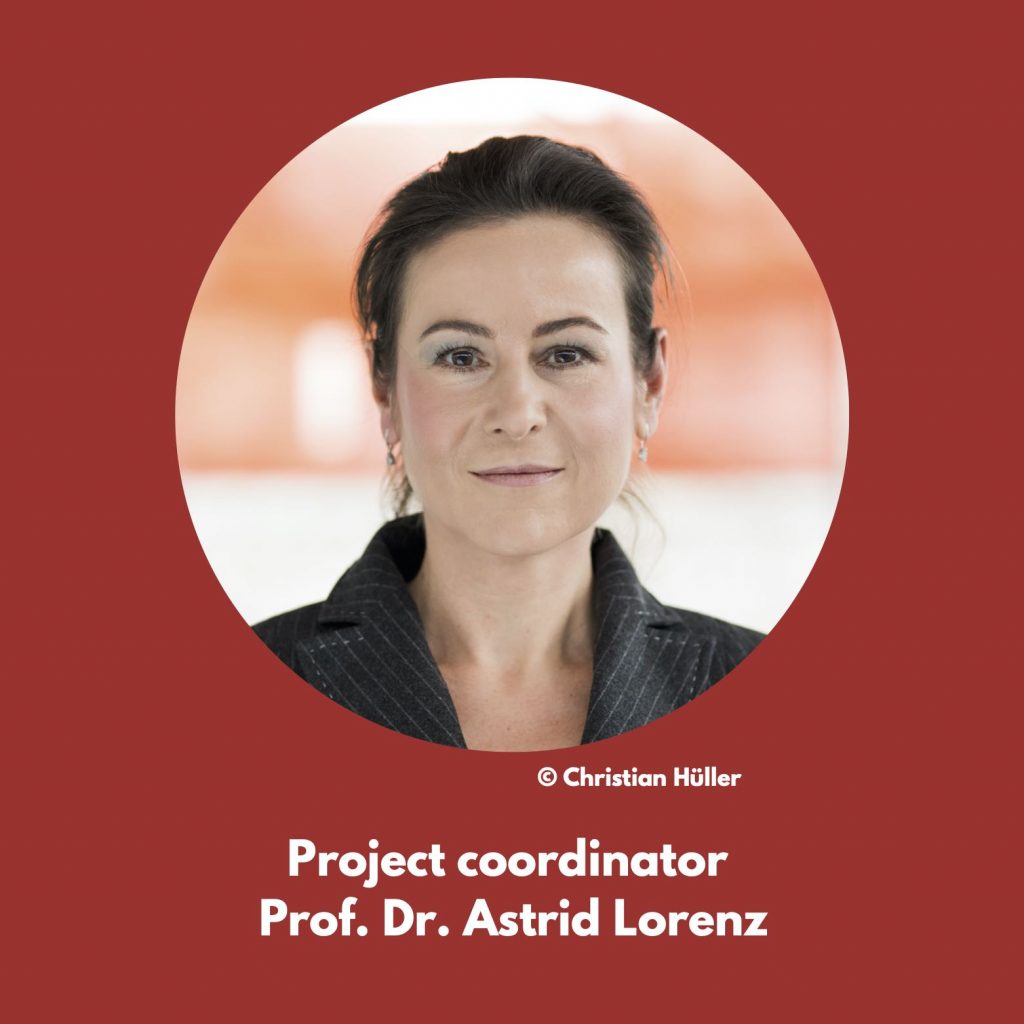
The Centre aims to contribute to closing gaps in EU research by analysing attitudes, practices and potentials concerning EU citizenship in the periphery in an interdisciplinary way, using new methods, instruments and approaches. Along with this, experts from political science, sociology, history and ethnology and from the Leibniz Institute GWZO cluster their teaching and transfer activities and intensify their cooperation ties with East Central European universities. The working packages also include:
- a public lecture series with prominent experts from academia, politics, civil society and media,
- more than 30 seminars on EU issues for students in more than 50 study programmes,
- 12 study trips,
- a new lecture series on the EU and its citizens,
- numerous citizen dialogues, three international summer schools,
- six transfer workshops with stakeholders from politics, civil society and administration in ECE capitals,
- policy recommendations in seven languages for better EU networking for local and regional politicians,
- policy recommendations for the EU,
- and three edited volumes as well as other publications with research findings and policy recommendations.
Advisory board
The work of the JMCoE is critically monitored by an advisory board. Its members are engaged with the centre’s topic in politics or society. They are the first to hear about our research results, provide ideas and advice. This is intended to increase the usefulness of European Studies in dealing with current political and social problems. Members are:
- Dr. Peter Jahr, MEP since 2009, member of the Agriculture and Petitions Committees, member of the Lunzenau town council, Chairman of the Evangelischer Schulverein Lunzenau e.V. (supporting association of the free Protestant secondary school in Lunzenau), Chairman of the Land-Union Sachsen,
- Leonhard Weist, Member of the board of the LandesSchülerRat Sachsen,
- Constanze Krehl, MEP since 1994, Member of the Committee on Regional Development of the European Parliament, holder of the Federal Cross of Merit on Ribbon,
- Susann Mannel, Head of the “Youth Strengthening” Department of the Socio-Cultural Centre “Die VILLA” in Leipzig,
- Katja Meier, Saxon Minister of State for Justice, Democracy, Europe and Equality,
- Petr Mikšíček, filmmaker, photographer and author, co-founder of the foundation fund “Renewal of the Ore Mountains”, which among other things supports cross-border projects with pupils, coordinator of the cultural festival “Königsmühle”, author of three books about the region,
- Katharina Wolf, founding chairwoman of the Saxon regional association of the Europa Union Germany e.V., awarded the title “Woman of Europe” in 2019.
Further, our research and practice network includes:
- Dr. Carsten Herzberg, Potsdam, mitmachen e.V., JUBU – Jugendbeteiligung bei Bürgerbudgets (youth participation in citizen budgets),
- Carsten Berg, Freiburg, Director The ECI Campaign – Association for the ECI e.V.,
- Dr. Tim Leibert, Leipzig, Senior Researcher and Deputy Coordinator of the Research Group “Mobilities and Migration” at the Leibniz Institut für Länderkunde,
- Prof. Andrzej Podraza, Catholic University of Lublin,
- Dr. Nora Siklodi, Portsmouth University, Senior Lecturer in Politics, ECPR Standing Group Citizenship.